









– National Criminal Investigation Service is believed to have intercepted some calls while Mondlane was still campaigning
– Court is expected to rule on the validity of key evidence supporting the charges
By Ricardo Dias
Maputo (MOZTIMES) – The second day of the trial of Mozambique’s opposition leader began with the Public Prosecution Service insisting that Shamir Mendes, Venâncio Mondlane’s young defence lawyer, be removed from the courtroom. The court quickly resolved the matter, allowing Mendes to stay. The prosecution said it had opened criminal proceedings against Mendes for illegally practising law, but the matter was a brief aside and the hearing continued with the presentation of the defence’s formal response to the charges.
The prosecution, backed by Rodrigo Rocha, the lawyer representing REVIMO, which is assisting the prosecution in the case, then tried to prevent the defence from presenting its response, arguing that it should be submitted in writing only, without being read out in court. The defence prevailed on this point as well and was able to present its response, which took one hour and 15 minutes. There was insufficient time to read the document of more than 220 pages that the defence had prepared to challenge the charges. A summary of about 40 pages was read out, focusing on challenges to the lawfulness of the charges and of the evidence presented against the defendant.
Legality of the phone taps
The defence said the Attorney General’s Office (PGR) had used illegal phone taps to support the charges. Among other points, it said some of the recordings presented by the prosecution as evidence that Venâncio Mondlane was encouraging the subversion of Mozambique’s constitutional democratic order were thought to have been made during the election campaign, before the post-election protests began.
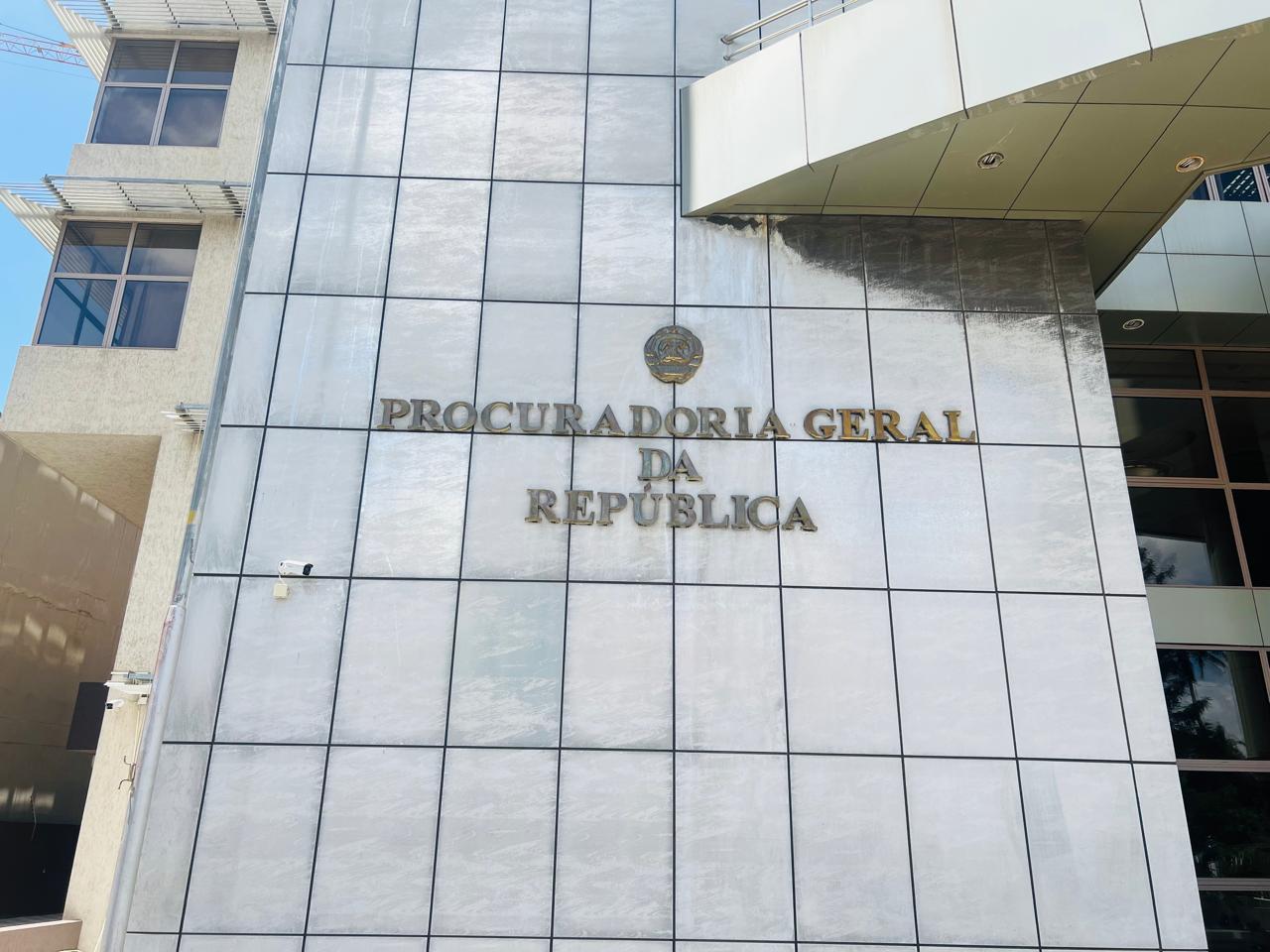
The defence pointed out that the prosecution of the opposition leader began on 21 October 2024 (two days after the murder of his lawyer Elvino Dias), while the recordings of Venâncio Mondlane’s phone calls presented by the National Criminal Investigation Service (SERNIC) dated from 2 October.
Mutola Escova, the lawyer leading Mondlane’s defence, said the source of the telephone evidence had not been established. According to Escova, the call report includes a number that SERNIC did not say it had intercepted, bears neither a stamp nor a signature, lists the months out of order, includes data predating the court’s authorisation of the phone taps, and attributes to the defendant calls made from Maputo while he was outside the country.
SERNIC said it had intercepted calls from four numbers (+258 86 766 6511, +258 85 898 7956, +258 84 539 6305 and +258 84 929 6993) after receiving judicial authorisation, but annex 11 of the case file lists a fifth number (+258 86 766 6581), which differs from the first number on the list by a single digit and to which the report attributes 321 calls.
The defence added that the phone-tapping report jumps from April to October and then to May, with no chronological sequence. In the defence’s view, this makes it unlikely that the report was computer-generated.
Citing doubts over the legality of the interception of Venâncio Mondlane’s calls, the defence asked the court to declare part of the indictment invalid and is awaiting a ruling.
When given the floor, Venâncio Mondlane said SERNIC had been listening to a presidential candidate’s calls to identify his financial backers and find out about his political strategies. He described this as a serious matter.
Authority of the prosecutor who led the investigation questioned
Another ground on which the defence is challenging the indictment and seeking to have it declared invalid is its claim that the prosecutor who led the investigation into Mondlane lacked the authority to do so. He was a third-category prosecutor, while the nature of the offences meant that the investigation had to be led by a prosecutor of a higher category.
According to the defence, the investigation was led by Paulo Sitoe, who had been a prosecutor for 11 months and 20 days at the time. It added that Sitoe was a district-level prosecutor and therefore could not lead a case at provincial level.
The defence questioned what authority a third-category public prosecutor assigned to a district prosecutor’s office had to lead the investigation and bring charges in a provincial-level case. It also questioned his authority to do so in a case that, according to the prosecution’s indictment, involves terrorist activity. In the defence’s view, responsibility for investigating such a case lies with the Central Office for Combating Organised and Transnational Crime (GCCCOT).
Restrictions on the defendant’s right to a defence
The defence also told the court that the prosecution had prevented its client from exercising his right to a defence during a hearing on 30 June 2025. According to the defence’s account, the prosecutor who conducted the hearing refused to accept the defence’s applications and objections or enter them in the official record. He refused a request to examine the transcript and obtain copies of the audio and audiovisual recordings he attributed to the defendant. He also prohibited note-taking on paper and prevented the defence lawyers from speaking privately with the defendant. The hearing ended with one of the defence lawyers being removed from the room and the confidentiality of the proceedings being invoked to restrict the rights of the defence, Escova said.
Finally, the defence alleged that, for three of the five charges (incitement to collective disobedience, instigation of terrorism and incitement to terrorism), the prosecution cited the article and left it at that, without specifying which of the acts covered by the article the defendant was alleged to have committed. The defence pointed out that Article 331(1)(e) of the Code of Criminal Procedure requires the indictment to specify the applicable legal provisions and renders it invalid if it fails to do so.
The defence stressed that it was asking the court to determine a prior question before deciding whether the alleged facts were true or amounted to a crime. That question was which legal provision the prosecution alleged had been breached. According to the defence, if the indictment fails to specify this, the defendant does not know what he has to defend himself against, the court does not know what it is to hear, and the scope of the proceedings remains undefined in relation to those charges.
The trial continues on Thursday, when the prosecution is expected to begin presenting its evidence. (RD)
Note — The Mozambique Times (MOZTIMES) gained access to the courtroom at the invitation of Venâncio Mondlane. The Supreme Court hand-picked the media outlets it authorised to cover the trial from inside the courtroom.