







- There has been an increase in accidents caused by demonstrations and with no conventional insurance cover
- Insurance companies alarmed at the growth of political risk in Mozambique
by Aurélio Muianga
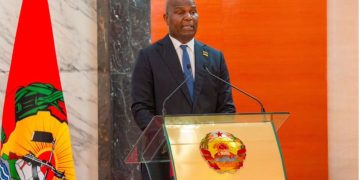
Maputo (MOZTIMES) – About 40% of the clients with obligatory automobile insurance stopped paying for their insurance in the last quarter of 2024, due to the political and economic instability resulting from the post-election crisis, according to the chairperson of the Mozambican Association of Insurance Companies (AMS), Manuel Gamito, in an interview.
Gamito said the crisis has affected the liquidity of households and of companies, leading them to prioritise other essential expenditure to the detriment of paying for their insurance.
"Preliminary data indicate that the lack of liquidity among households and institutions has resulted in a fall of 40% in the payment of compulsory motor insurance. The payment of insurance came to be secondary, with households and companies prioritising other urgent needs", said Gamito.
The insurance sector has also registed an increase in road accidents during the post-election protests, with damage caused by fire, vandalism and other incidents. But this damage is not covered by conventional insurance policies.
"In the insurance sector, events such as government instability, political changes and social crises are classified as political risks, which impact directly on the investments and operations of the companies", explained Gamito.
The post-election crisis has also led to the re-assessment of risk by the re-insurance companies
The recent fall in Mozambique's rating, from CCC+ to CCC, has caused a review of the price policies. "Political risk, previously considered low, has now become a real concern for the insurance companies", said Gamito.
The final assessment of the effects of the protests on the insurance sector will only be possible after the close of the accounts of 2024 and the presentation of the financial reports of the insurance companies in the first quarter of 2025
Manuel Gamito stressed that, despite the challenges, the insurance companies are investing in innovation and modernisation, notably for the implementation of the information system for the Compulsory Third Party Automobile Insurance (SORCA), which seeks to facilitate access to insurance and guarantee greater transparency.
The insurance sector continues to be affected by the post-election crisis, and the increase in demand for specific cover for political risk, as well as the adjustments in the prices of re-insurance reflect the new economic and political reality of the country. (AM)