




By MOZTIMES
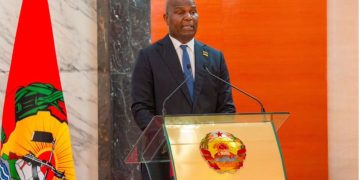
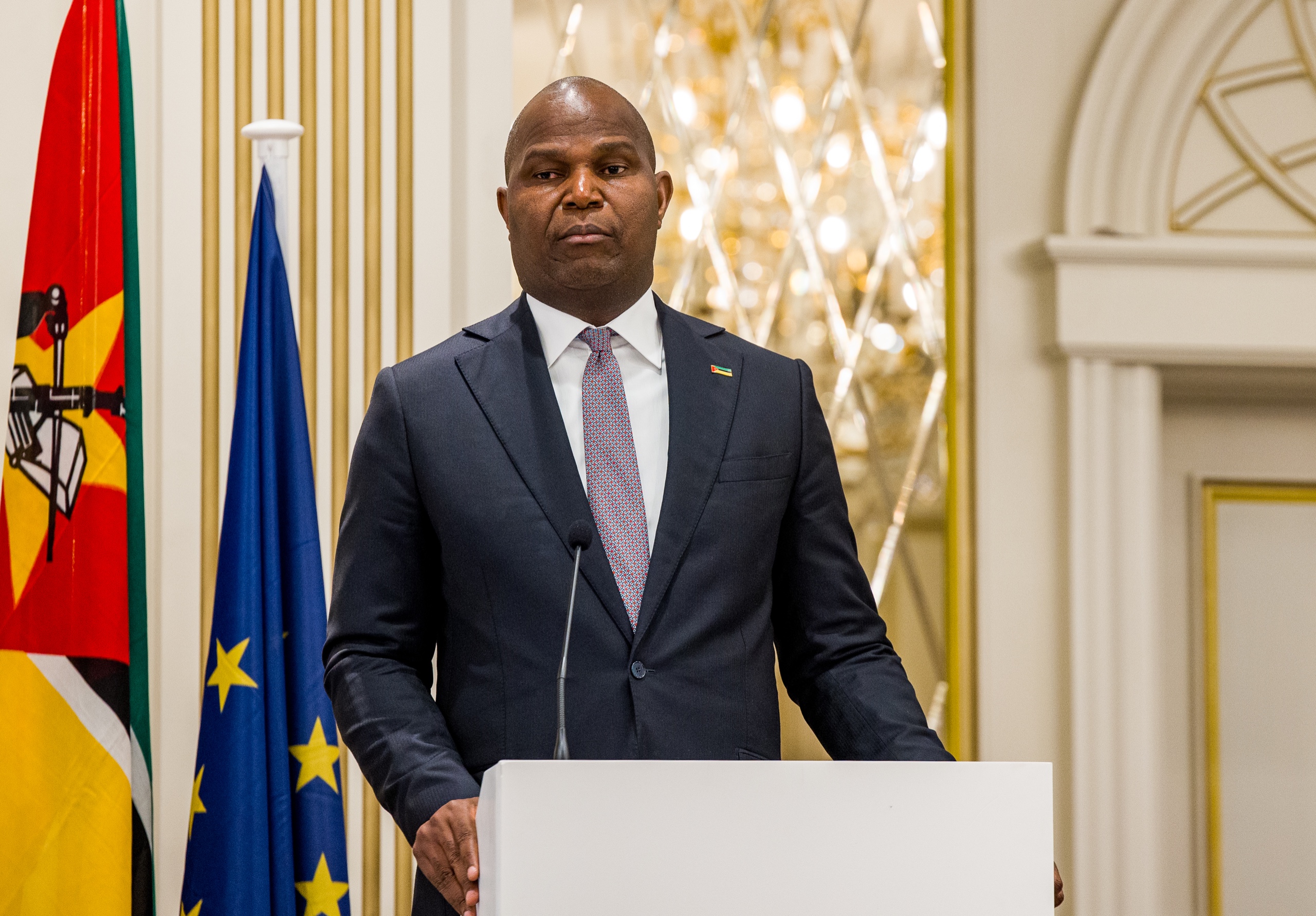
Maputo (MOZTIMES) - Mozambican President Daniel Chapo made a four day official visit to Brussels, headquarters of the European Union, this week, on the eve of the expiry of the agreement whereby the EU pays for part of the cost of the operations of the Rwandan Defence Force in the war against terrorism in the northern province of Cabo Delgado.
However, a week ago, the EU delegation in Maputo indicated that renewal of the agreement with Rwanda was not on the agenda, the Portuguese news agency Lusa reported.
Over the last three years, that agreement has made 40 million euros available for the logistics and equipment of the Rwandan forces.
But, according to Chapo himself, neither the Rwanda deal nor the EU military mission were on his Brussels agenda. He told reporters that so far “I have no official information about the end of these missions”.
“The concept of a mission is that it begins and it ends, and when it has not ended, we continue to work”, he said. Both agreements were within their schedule, and so “we are complying with the period, and we wait for a definition by both sides at the end of the mission”.
Chapo said “we haven’t reached May (when the EU financing for the Rwandan contingent expires) and we haven’t reached June (when the EU military mission ends). So what I can tell you is that both missions are continuing in Mozambique”.
Read also: Chapo visits Brussels while Rwanda Threatens to Withdraw Troops from Cabo Delgado
The EU had not told the Mozambican government anything about the impending end of the military mission, he stressed. An EU source said the EU is in “continual dialogue” with Mozambique to define “eventual support” in security measures for Cabo Delgado.
Chapo used his visit to Brussels to call for support from EU companies for the Mozambican energy sector and for digitalisation.
Opening a meeting entitled the “Renmoz in Europe Business Forum”, Chapo said Mozambique intends to build “a modern, sustainable and competitive energy sector, capable of driving the economic transformation of our country and contributing to the energy security of the region and the world”.
He claimed this meeting “is sending a powerful message. It is a clear sign of an ambition to transform potential into investment, investment into economic growth and growth into social progress”.
Chapo stressed that Mozambique has abundant energy resources, including “vast hydro-electric resources, enormous solar and wind potential and important reserves of natural gas”. This combination “makes Mozambique a strategic partner for the energy security of southern Africa”.
He stressed that Mozambique is developing an energy system “based on renewable energies” with “responsible valuing of natural gas”, and the “promotion of green industrialisation”.
“We believe deeply that energy is one of the pillars of Mozambique’s economic independence – an energy that drives industrialisation, creates good quality jobs, and strengthens competitiveness”, he added.
“This transformation requires more than natural resources”, Chapo added. “It requires leadership. It requires capital. Above all, it requires solid and lasting strategic partnerships”.
That was why he had come to Brussels, Chapo said. The purpose was “to deepen cooperation between Mozambique and Europe and mobilise investments that can transform our immense energy potential into shared prosperity”.
Chapo also believed that digital technologies are crucial for economic diversification as they create new opportunities for young people.
At the opening of the European Union-Mozambique Digital Open Day, in Brussels, on Wednesday, Chapo said digital technologies, particularly Artificial Intelligence (AI), have transformative impact.
“AI is profoundly transforming the way we produce, undertake, govern and compete. It represents the birth of a new, highly developed, digital and globally competitive workforce”, he claimed.
African countries like Mozambique, he said, must regard AI as a strategic opportunity to “accelerate development, diversify the economy and create new opportunities for young people.”
Digitalisation was “part of the agenda for modernizing the Mozambican state, for economic competitiveness, and for expanding opportunities for all citizens.”
“No country travels the path of digital transformation alone”, he continued. “We welcome European support in mobilizing funding and strengthening institutional capacities, as well as the investments announced for rural connectivity and expansion of the government’s electronic network, measures which will bring citizens closer to public services”. (MT)
(Article corrected in Paragraph two to quote Lusa story)