






By MOZTIMES
Maputo (MOZTIMES) - Fuel shortages reported across parts of Maputo on Monday and Tuesday cast immediate doubt on Mozambique’s supply stability, even as the government rolled out a new wave of reforms during the latest meeting of the Council of Ministers.
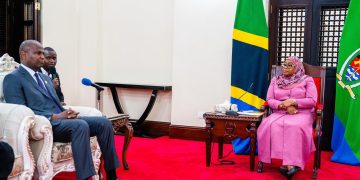
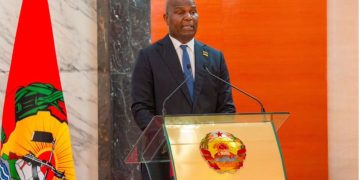
At the close of the meeting, on Tuesday, government spokesperson and Minister of Development Salimo Valá detailed decisions ranging from social protection to institutional restructuring. But the lack of fuel in much of the capital city quickly emerged as the most pressing concern.
Despite the long queues at filling stations, Vala claimed the situation was under control. That optimism was certainly not shared by motorists who spent hours queueing for a few litres of petrol or diesel.
Vala promised that the government would soon announce measures to deal with the crisis, but motorists no longer accept such promises.
Speaking a week ago, in the northern city of Nampula President Daniel Chapo announced that the government could introduce measures in early May to ensure the stability of fuel supplies and protect domestic consumption in order to respond to the fuel crisis arising from the closure of the Strait of Hormuz because of the US-Israel war of aggression against Iran.
But motorists are not in the mood to wait. Tension at the fuel queues, in at least one case caught on camera, burst into a fist fight as angry motorists complained about queue-jumping.
Vala said that several other southern African countries have increased fuel prices, and seemed pleased that Mozambique has not yet done so.
Nor has the government taken any measures to ration fuel, although fuel rationing had proved useful in dealing with an earlier fuel crisis in the 1980s.
Alongside these pressures, the Council of Ministers approved regulations to enforce the law on the protection of persons with disabilities, including the introduction of a national identification card intended to facilitate access to public services.
The government also redefined the role of the National Sustainable Development Fund, removing its rural development mandate and placing it under environmental supervision, as part of a broader institutional realignment.
Authorities also approved the creation of a new School of Governance, replacing several public administration institutes, in a bid to strengthen capacity within the state apparatus. (MT)