







By Paul Fauvet
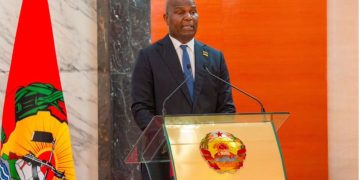
Muembe (MOZTIMES) – Mozambican President Daniel Chapo on Friday declared “there can be no strong State without a strong justice system, and there can be no strong justice system without the people’s trust that their customs will be defended by the public and private institutions of the Mozambican State”.
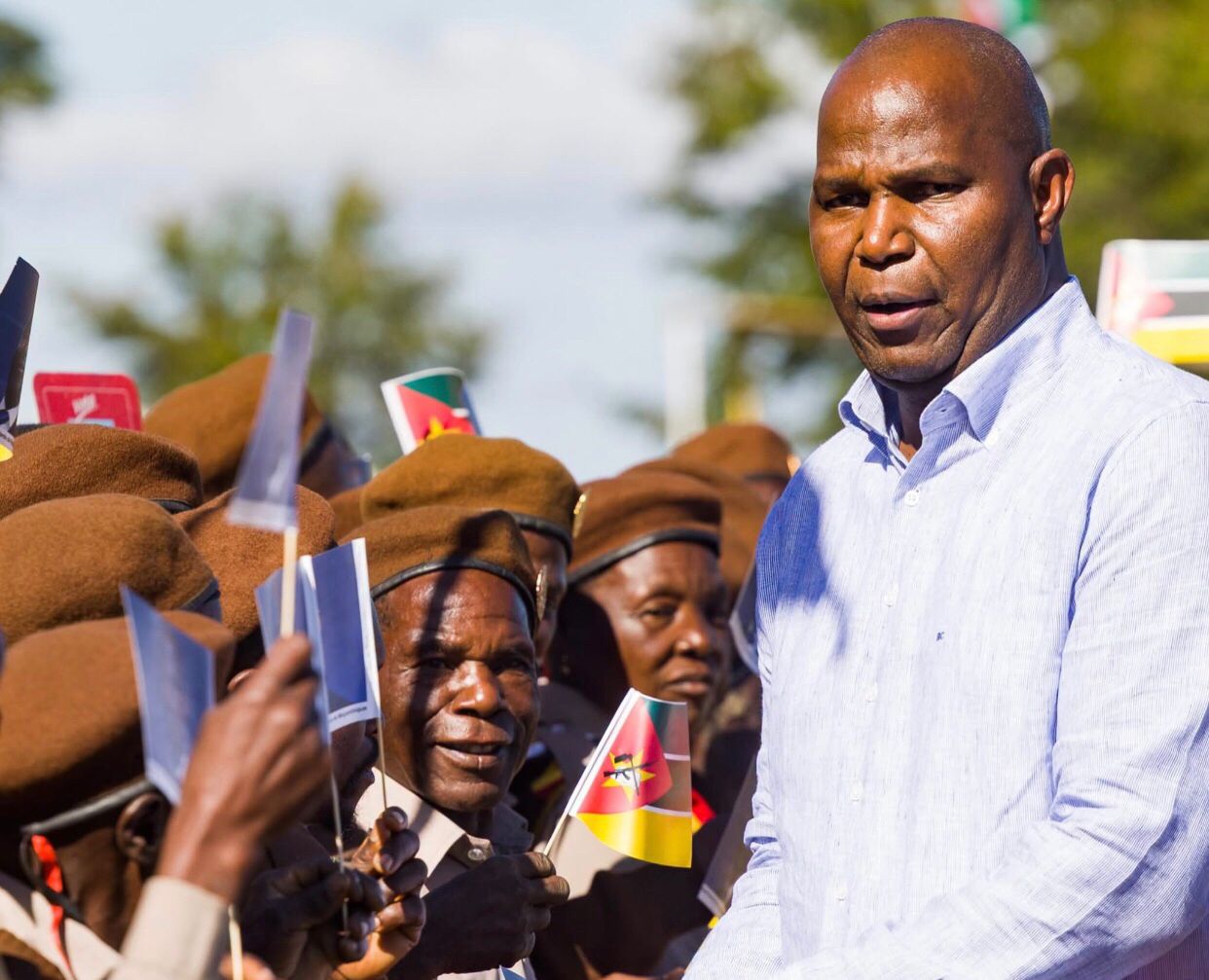
Chapo was speaking as he inaugurated a law court in Muembe district in the northern province of Niassa. The inauguration coincided with the World Day of Cultural Diversity, and the President stressed “it is in this diversity that the strength of our national unity lies, the central axis which led us to achieve our national independence”.
The Mozambican state, he said, intends “to build a justice system close to citizens and sensitive to the realities of local communities”.
Bringing justice closer to the public “remains a priority of the Mozambican State”, stressed Chapo. “Access to justice is not a privilege of those who live in the urban centres. It is a constitutional right of every citizen”.
Inaugurating the Muembe court “is a step in the national effort to expand the judicial network”, he declared. The citizens of Muembe “will no longer have to walk long distances to see their rights protected and their conflicts solved”.
He wanted a justice system accessible to all Mozambicans, regardless of their political or religious beliefs. “Justice must be an instrument of reconciliation and not of division”, he insisted. “It must be an instrument of social, economic and political stability, and not of conflicts, an instrument that promotes citizenship and not exclusion”.
“Our justice system”, Chapo added, “is called upon to play a central and irreplaceable role in the preservation of peaceful coexistence, in fighting against violence and hate speech, and in promoting human rights”.
Dialogue, he continued, should be valued “as a privileged mechanism for solving conflicts between Mozambicans. Justice is a pillar of peace and peace is a condition for the development of our country”.
Chapo called on his audience “to promote the culture of legality and of respect for justice, so that communities recognise the court as an institution for all citizens intended to guarantee rights and solve conflicts”.
He urged the public to denounce crimes and acts of violence, including domestic violence and child marriage, as well as corruption, money laundering, illegal mining and other practices that damage human dignity and the Mozambican state.
The President stressed that “a court close to the people strengthens social peace, consolidates citizenship, and promotes the harmonious development of communities”.
Chapo urged magistrates to behave with integrity and impartiality. The public, he warned, expects from this court “just, transparent and speedy decisions”. (PF)