


– Paula Monjane and Tomás Vieira Mário warn of the risk of civil society organisations in Mozambique losing their autonomy
By Sheila Nhancale
Maputo (MOZTIMES) – The Mozambican government, through the Ministry of Planning and Development (MPD), is preparing a draft law aimed at coordinating the activities of Non-Governmental Organisations (NGOs). However, civil society representatives claim this is an attempt to control and restrict the work of NGOs, particularly those engaged in monitoring governance.
In the latest episode of MOZCAST, the podcast produced by MOZTIMES, activist Paula Monjane warned that the government is seeking to "bureaucratise NGOs" — in other words, to make them dependent on the state apparatus. “The proposal suggests that the government must monitor what organisations are doing. There is a clear intention to control their resources and limit freedom of association,” she said.
According to Monjane, the current political climate is marked by narratives attempting to portray NGOs as actors with little legitimacy or excessively influenced by foreign agendas.
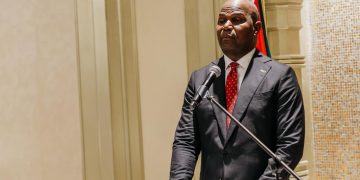
“The intention is to control, surveil, and minimise as much as possible the autonomy and capacity to monitor government action. They want us to align with the government,” said journalist and lawyer Tomás Vieira Mário, director of Sekelekani, a civil society organisation primarily focused on monitoring the governance of natural resources. Vieira Mário also featured in the same podcast episode.
Both participants link this attempt to control NGOs to a broader context of democratic backsliding in Mozambique. “Democracy is nearly paralysed. If it’s not regressing, it’s stagnant. This is reflected in the way public debate seeks to discredit those who think differently,” said Vieira Mário.
The debate around this new proposal comes at a time when the approval of the draft Law on Non-Profit Organisations remains pending. The bill was submitted by the government to the Assembly of the Republic in September 2022. It was criticised by both national and international organisations for including provisions that would allow for the dissolution of organisations based on vague concepts such as “national security” or “counter-terrorism”. Although it has not yet been approved, the proposal was never formally withdrawn, and it continues to generate mistrust among NGOs. (SN)