





– The proposal includes compulsory press card to police journalistic work
– Press Freedom organisations oppose the legal reforms
By MOZTIMES
Maputo (MOZTIMES) - President Daniel Chapo has received a legislative proposal aimed at imposing tighter government control over the media through the creation of a Regulatory Authority for Social Communication, to be overseen by the Minister of Communications and Digital Transformation.
The proposed legal reform originated from the Gabinete de Informação (Gabinfo), currently responsible for licensing media outlets, freelance journalists, and foreign correspondents.
Efforts to strengthen state control over the press are not new. During Filipe Nyusi's presidency, similar initiatives were undertaken to revise existing media legislation to tighten restrictions on journalism. Although proposals were submitted to Parliament, they were later withdrawn following strong advocacy from press freedom organisations, notably the Media Institute of Southern Africa (MISA Mozambique).
Following Chapo’s rise to power, the proposal regained momentum, driven by Gabinfo’s leadership and the Ministry of Communications and Digital Transformation.
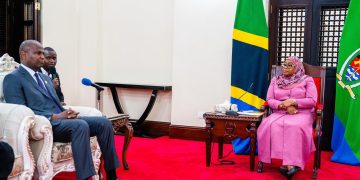
On 14 March, Chapo met with members of the Higher Council for Social Communication (CSCS) to hear their views on the proposed reforms. The CSCS expressed its opposition and submitted a formal written opinion to the President. MISA Mozambique also submitted its position in writing.
The reforms involve creating the Regulatory Authority for Social Communication and introducing a compulsory professional press card for journalists.
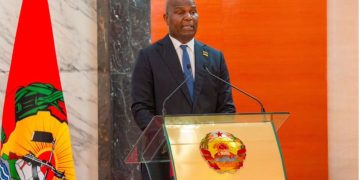
This Monday, Chapo held another meeting with Gabinfo Director Emília Moiane, Minister of Communications and Digital Transformation Américo Muchanga, and CSCS members, chaired by journalist Rogério Sitoe, to discuss the proposed legal changes.
According to information obtained by MOZTIMES, CSCS members informed the President that, in line with international best practices, media regulation should not fall under a government authority. They argued that any regulatory body should be independent from the Executive and accountable to Parliament.
During the meeting, Chapo appeared receptive to the CSCS’s concerns, reportedly stating that the government should not be responsible for issuing professional credentials in any liberal profession.
Despite the President’s seemingly favourable stance, the government’s next steps remain unclear. Should the Council of Ministers decide to move forward with the legislative proposal, it is unlikely to be blocked in Parliament, where Frelimo holds an absolute majority and has largely operated as a rubber stamp for government initiatives.
The current legislation regulating media activity in Mozambique was adopted in the early 1990s, during the country’s transition to liberal democracy. Although outdated, many journalists view it as preferable to reforms that could result in increased state control over the press.
Journalists’ mistrust stems from the growing authoritarian trend that began in 2004 with the election of Armando Guebuza and worsened significantly after Filipe Nyusi took office in 2014. (MT)