







- About 80% of fuel imported into Mozambique passes through the Strait of Hormuz, off Iran
- In extreme scenarios, the Government admits introducing measures to cushion the impact of rising fuel prices, including a stabilisation fund
By MOZTIMES
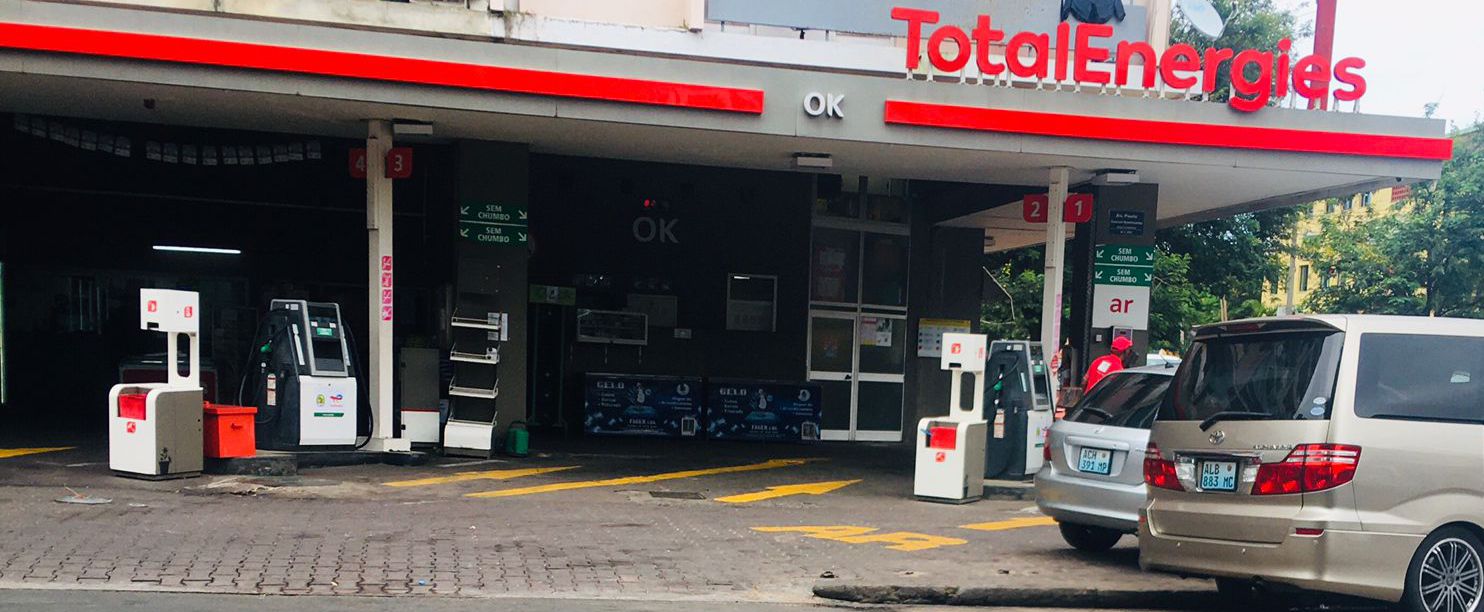
Maputo (MOZTIMES) – The Mozambican government has guaranteed that the liquid fuel reserves currently available at the country’s ocean terminals are sufficient to keep the economy running until at least early May.
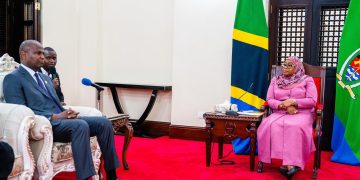
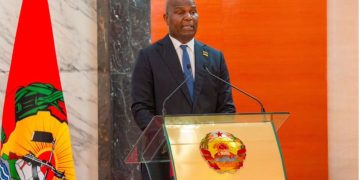
The Secretary of State for the Treasury and Budget, Amílcar Tivane, told journalists on Tuesday at the end of the weekly meeting of the Council of Ministers, that the country currently has a stock of about 85,000 tonnes of fuel, including petrol, diesel, kerosene and jet fuel for aircraft.
These fuels, Tivane said, were imported before the current increase in crude prices caused by the war in Iran, and therefore there will be no increase in retail fuel prices, at least until the end of April.
Oil prices on the international market have risen since the beginning of the US-Israeli attack on Iran, from around $70 per barrel to about $110. Some countries have followed this increase, also raising retail fuel prices.
Amílcar Tivane explained that about 80% of Mozambique’s fuel imports pass through routes that cross the Strait of Hormuz, off Iran, which is currently practically impassable due to Iranian military retaliation against the joint attacks by the United States of America and Israel.
As a result, the government has drawn up two future scenarios regarding the impact of the war in Iran on the Mozambican economy. Implementing those scenarios will depend on the intensity and duration of the conflict, Tivane said.
The first scenario, which Tivane described as “moderate”, foresees that if the price of oil exceeds $120 per barrel it may affect the cost structure of Micro, Small and Medium Enterprises operating across several sectors. “In this scenario, the pace of economic recovery may be slow,” he said.
Tivane recalled that the government forecasts that Gross Domestic Product will grow by 2.8% this year.
The second scenario, which he described as “extreme”, envisages the price of a barrel of oil exceeding $140. If this happens, “the economy may eventually experience negative growth”, Tivane said.
“The work currently being carried out is to ensure that, depending on the intensity of the conflict, the country can activate cushioning instruments, for example through a stabilisation fund that would allow the replacement of lost profitability for distribution companies in a context where fuel prices on the domestic market are slightly below international prices,” Tivane said. (MT)